Abstract
About this journal article
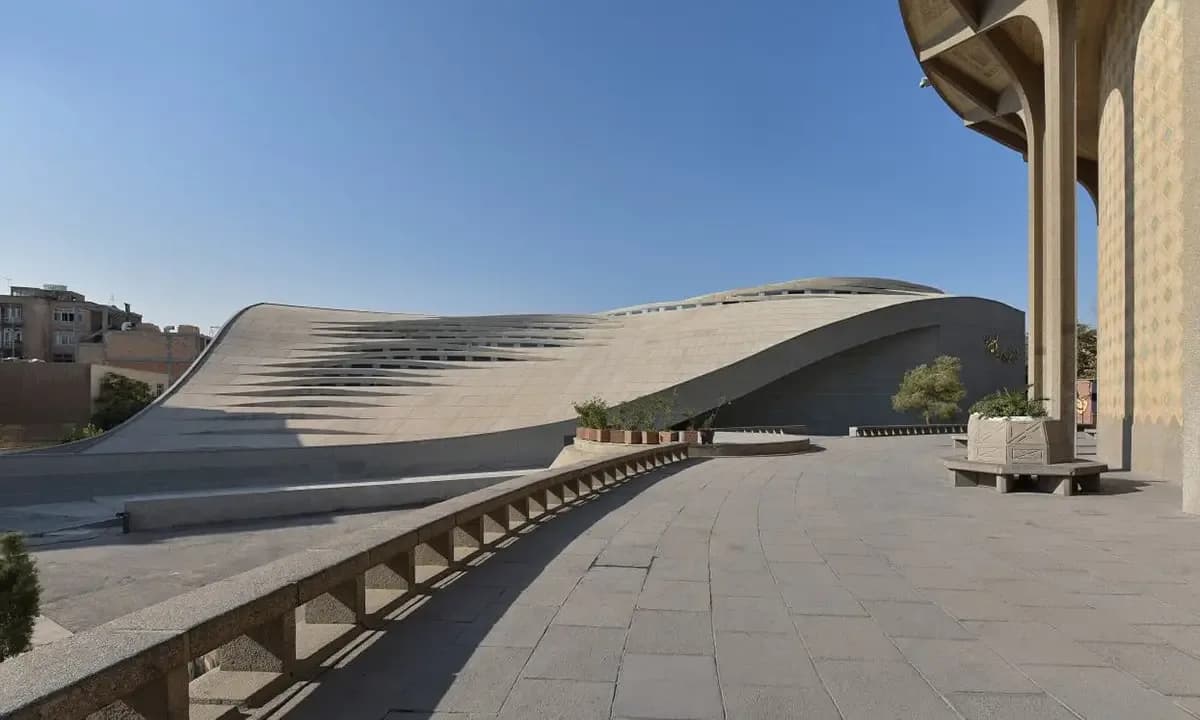
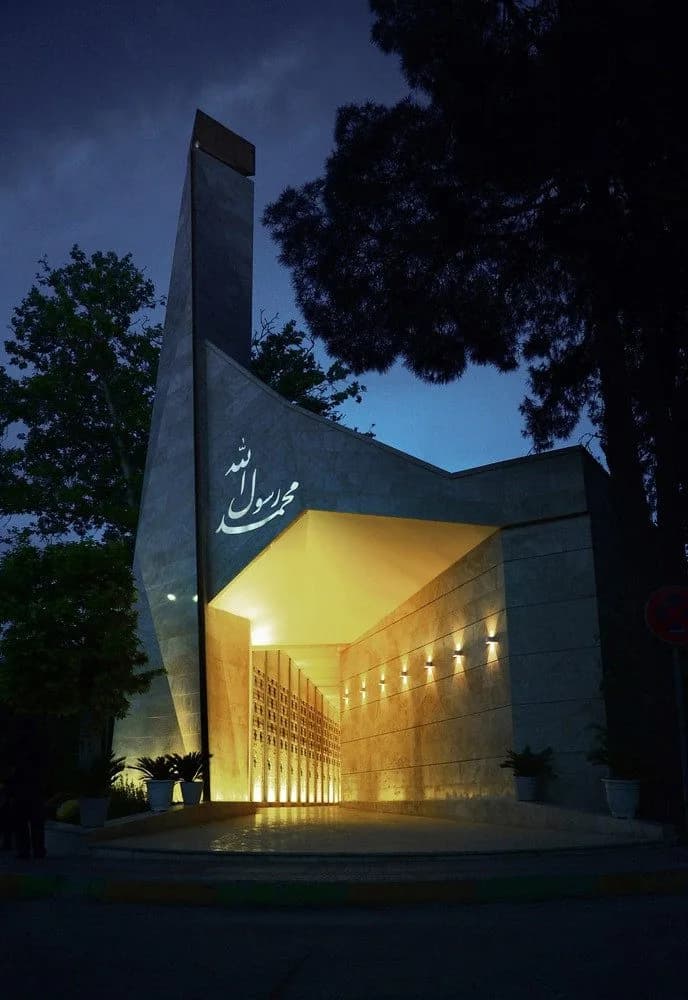
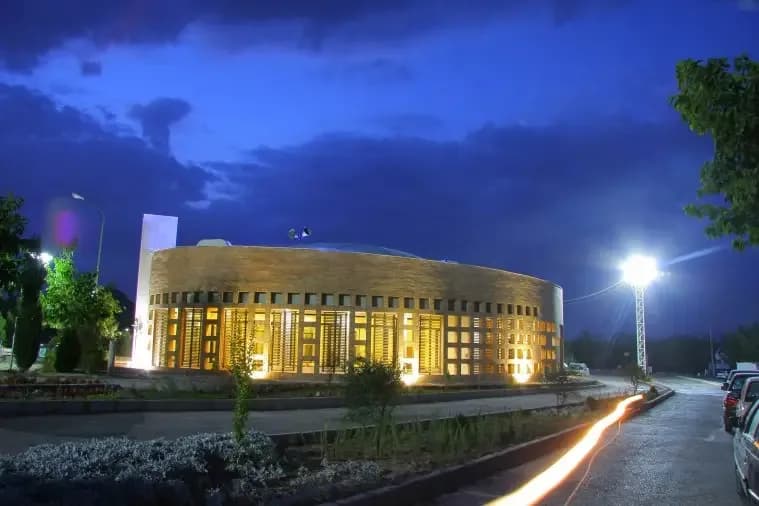
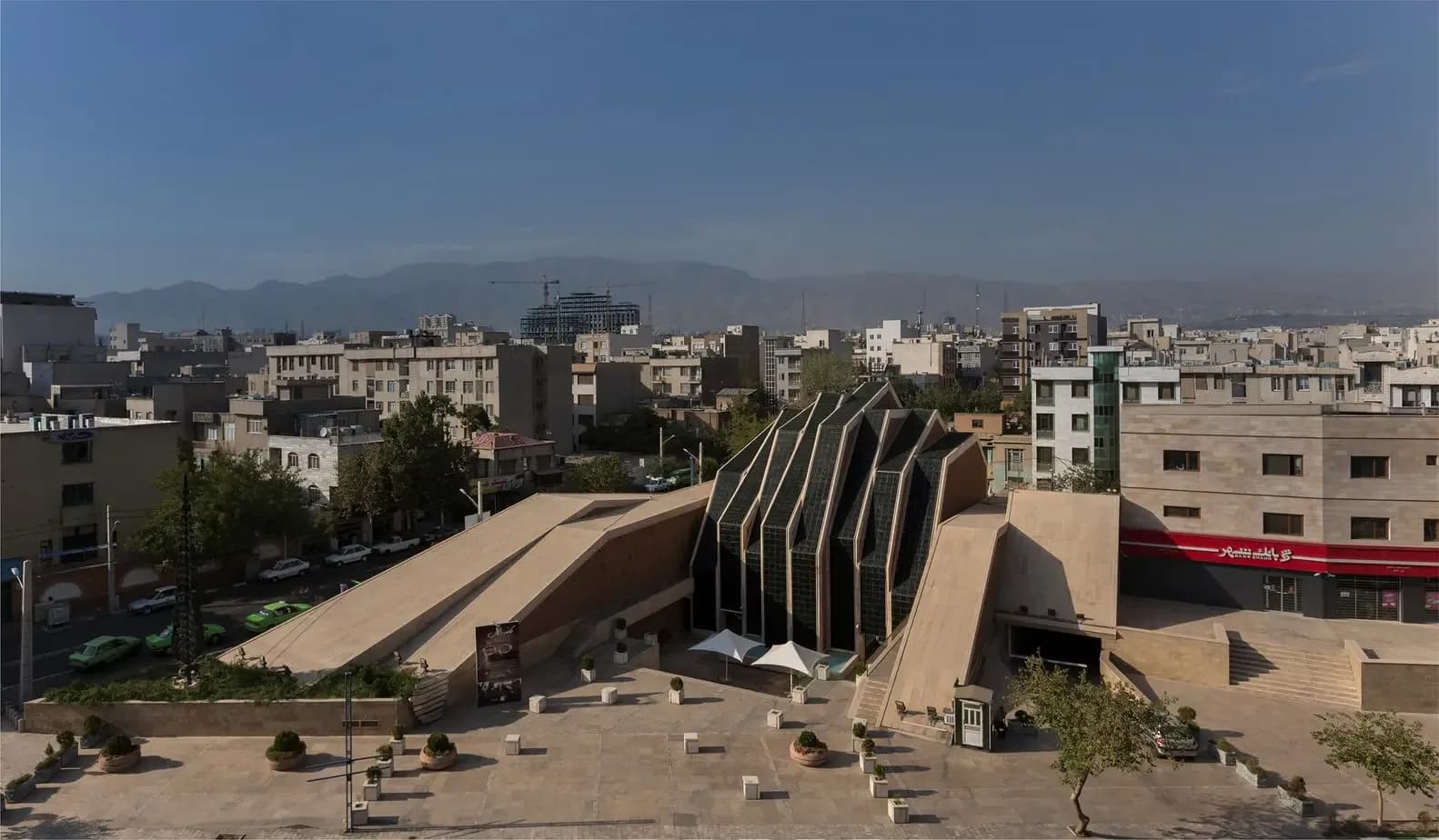
Islamic architecture, particularly mosques architecture, has mainly been the focus of many architectural exhibitions in Muslim-majority countries. Recently, it has been influenced by novelty architecture and has been evolved into elaborate structures. Quds mosque in Tehran, Iran, is a picturesque architecture feat of a modern outlook that came under a lot of criticism for abandoning the traditional symbols of Islamic architecture. This study observes the Quds mosque from a mathematical standpoint using fractals as the method. Fractals are geometric constructions that exhibit similar or identical characteristics by order of magnitude. Rescaling a prominent architectural pattern is also a noticeable subject that considers Quds mosque from this point of view. This study shows that the Quds mosque used fractal principles; self-similarity and congruency. Those are applied in the roof form by using a triangle form on each side.
Chicago style
Cite this
Behnamian, Sara, Saman Behnamian, Fatemeh Fogh, Firooz Pashaei, and Malihe Mahin Saran. "Novelty Architecture and Mathematics in an Iranian Mosque." Journal of Islamic Architecture 6, No. 1 (2020).
Topics
Subjects & tags
Files