Abstract
About this journal article
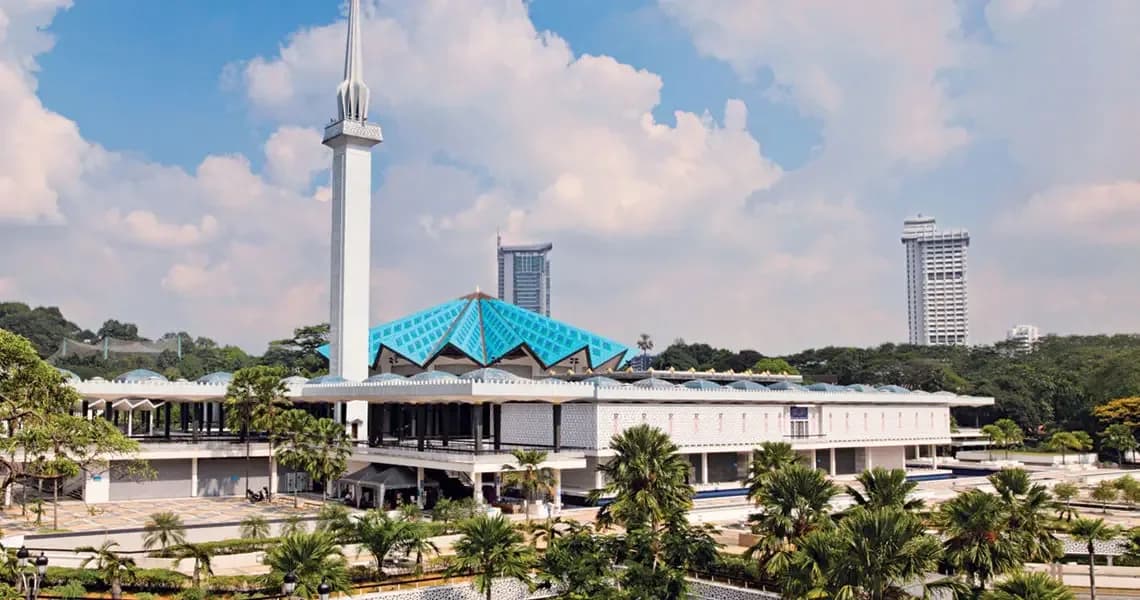
Malaysia to become seeks to become a fully developed country by 2020. Among nine central challenges demonstrated in the body of the “Vision 2020” is “the challenge of establishing a fully caring society” (WAWASAN 2020). Along with developed societies overcoming such dysfunctional built environments has become under consideration in Malaysia as well to remove barriers and provide equal access of people with disabilities (PWDS) to all public services. Notwithstanding practical steps taken, there are still dissatisfactions from the members of public toward public buildings which cause restriction in PWDS daily life. Previous studies has also raised claims against inaccessibility of mosque buildings as well. In order to realization of a barrier-free built environment for a huge portion of Malaysia population, this research aimed to investigate accessibility and usability of Malaysian mosques for PWDS. Masjid Negara was selected for the purpose of this study. The most recent revision of available Malaysian Standard of MS 1184:2014, “Universal Design and Accessibility in the Built Environment - Code of Practice”, became the reference in this study. A comprehensive evaluation checklist was constructed for the purpose of a systematic observation including 162 checkpoints under 22 items of accessibility.
Chicago style
Cite this
Utaberta, Nangkula, Mahsa Dabbagh Niya, and Azmal Bin Sabil. "Universa L Desig Na Nd Acc Essibility Fo R Peo Ple With Disa Bilities in Masjid Negara, Malaysia." Journal of Islamic Architecture 4, No. 4 (2017): 135.
Topics
Subjects & tags
Files