Abstract
About this book
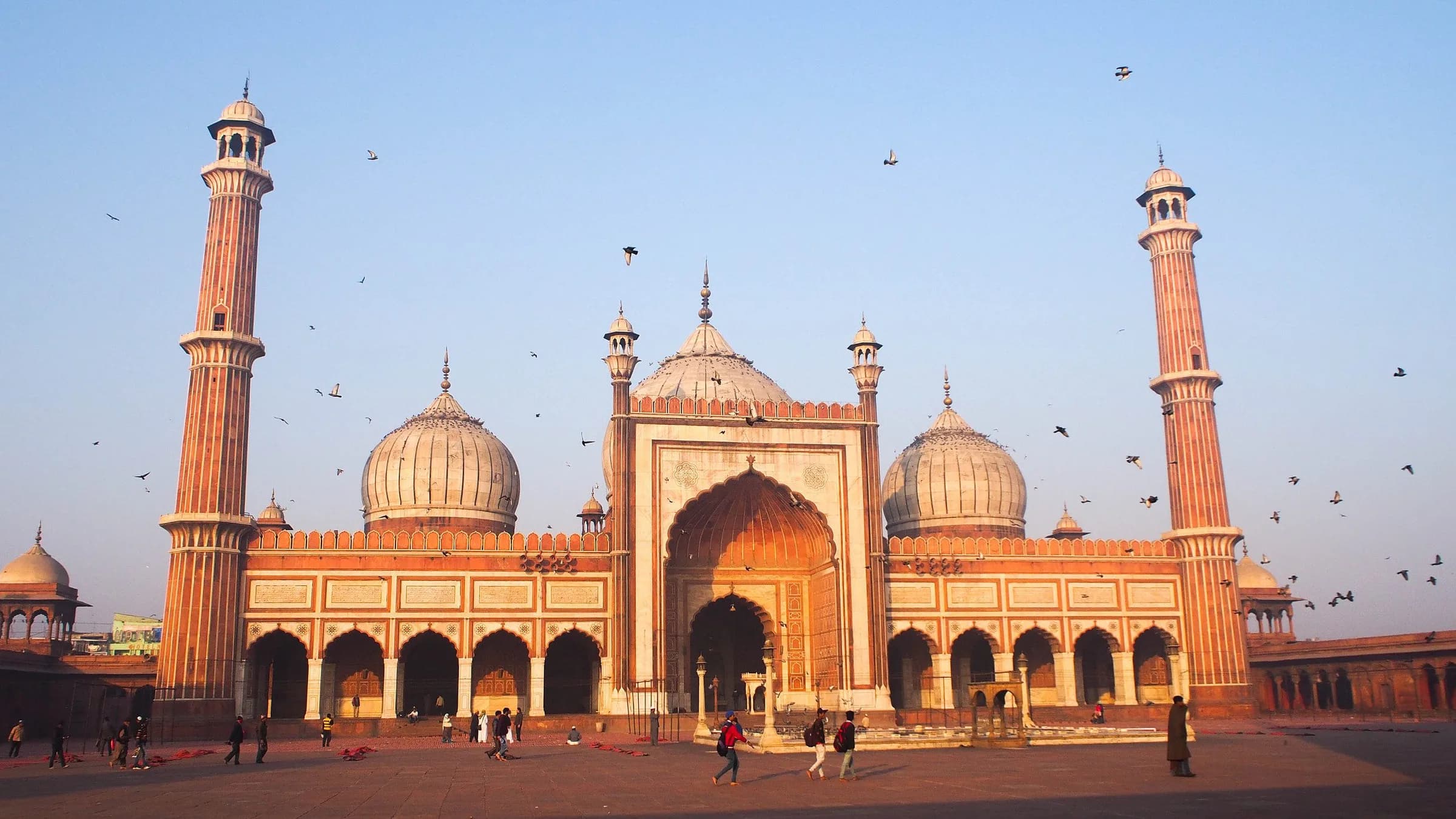
This sourcebook is a companion to the Architecture and Urban Development of the Deccan Sultanates lecture series prepared by ArCHIAM, on behalf of the Education Programme of the Aga Khan Trust for Culture. This series of lectures aims to present the architectural and urban contributions of the South Indian sultanates that remain relatively unknown, beyond a handful of well-publicized monuments. The Deccan Plateau, lying south of the central Indian mountain range, occupies a significant part of the triangle-shaped peninsular Indian landmass. Islamic cultural and architectural influence extended into the region from the late-thirteenth century CE onwards, which reached its apogee during the rule of the five Deccan Sultanates – Ahmadnagar, Bijapur, Berar, Bidar, and Golconda – during the late-fifteenth to the late-seventeenth centuries CE. In an attempt to bring this distinctive late-medieval Islamic period architecture into sharper focus, this series of lectures draw on both existing scholarship as well as new research undertaken in Bijapur.
Chicago style
Cite this
ArCHIAM. Islamic Architecture and Urban Development of South India Sourcebook. University of Liverpool: 2021
Files