Abstract
About this journal article
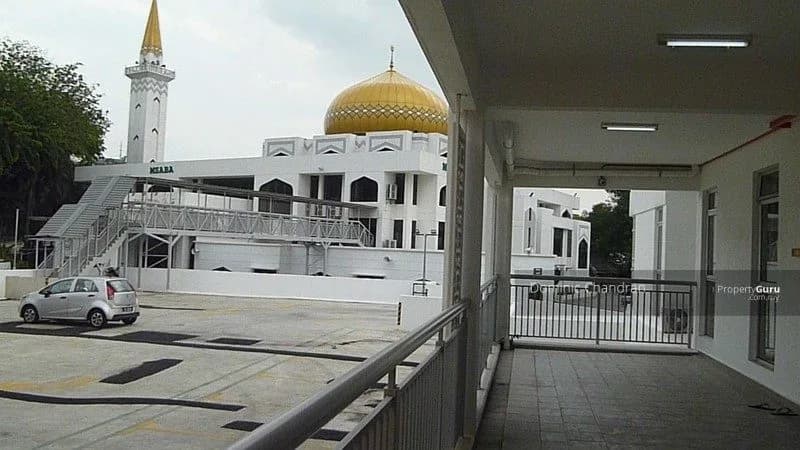
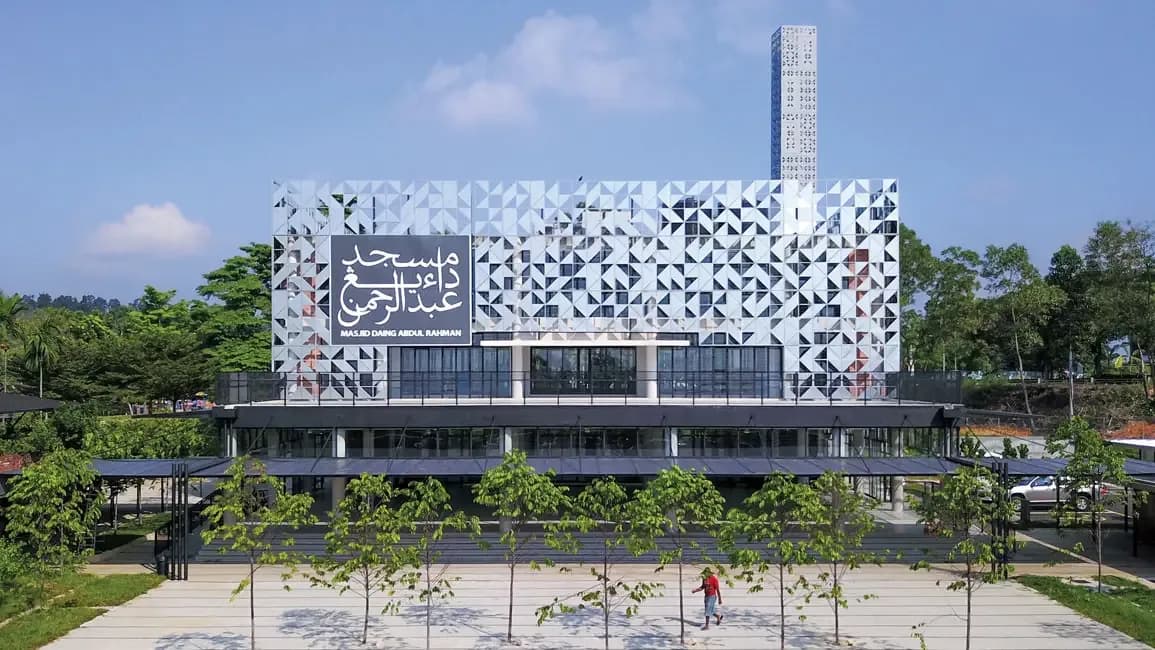
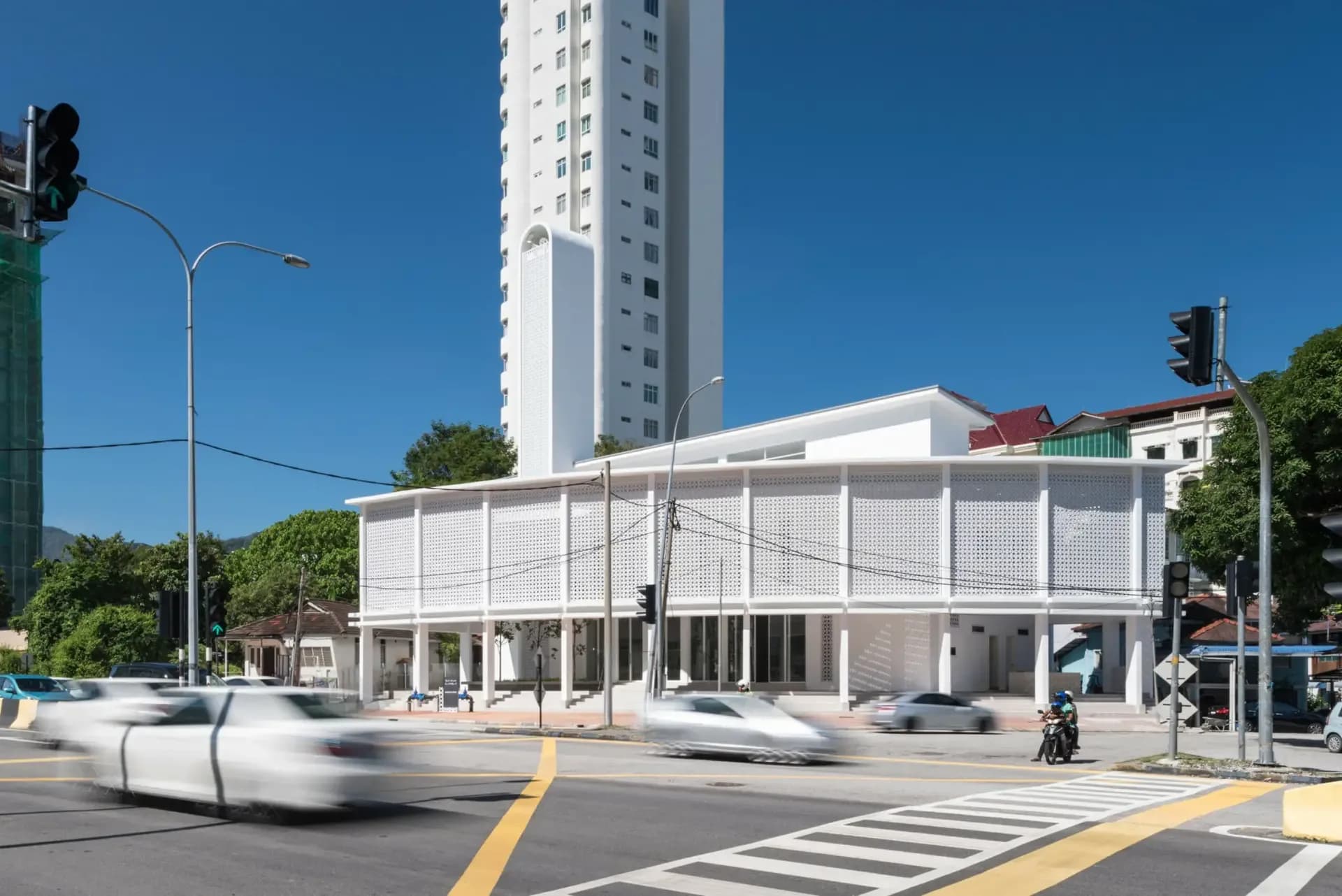
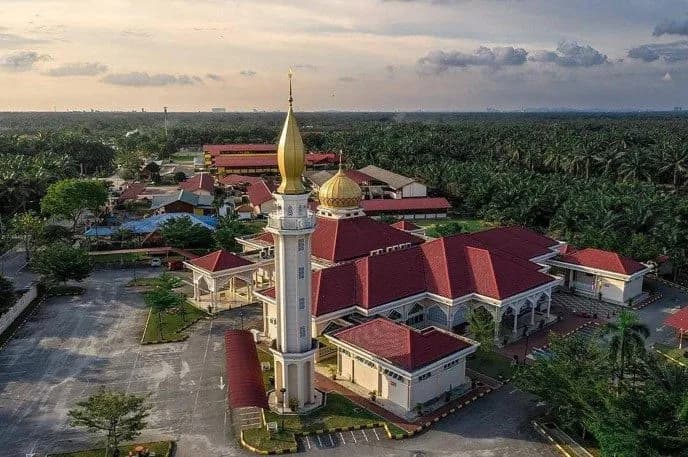
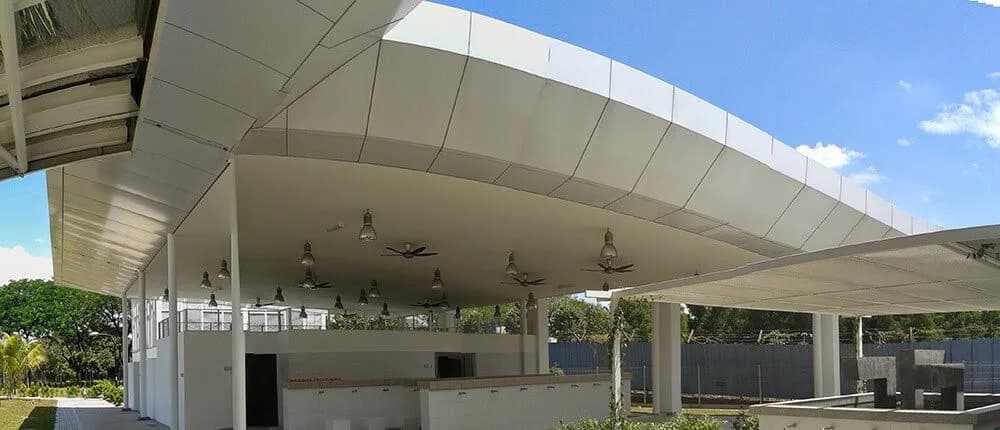
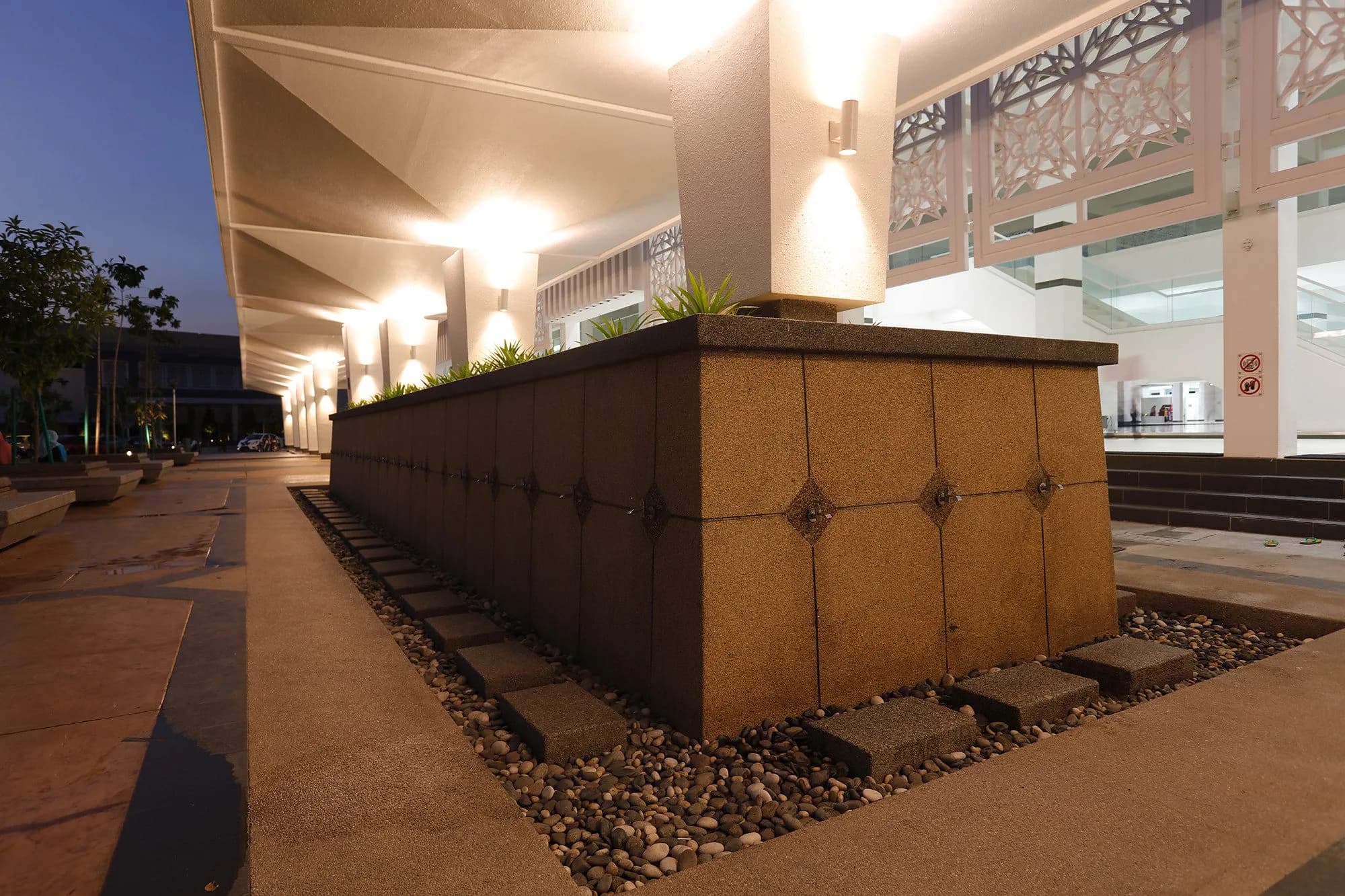
The secret to success for the country's stability is a harmonious religious relationship, which calls for the importance of uniting all groups, regardless of ethnic religion and ethnicity. This research's objective is to evaluate architectural design elements in mosques on social inclusion. This study reviews the literature regarding race relation issues and religious conflicts in Malaysia and evaluates the architectural design elements of Saidina Abu Bakar As Siddiq Mosque as the focus of social inclusion. A field analysis of the mosque was conducted by observing the internal and external spaces and interviewing Encik Shukran Bin Noh, one of the mosque administrators. The data collection was recorded based on a few criteria: perception of the building material concerning the surrounding; scale & massing; iconic historical imagery; gates & fences; level of visual access; and furniture & landscape. The analysis result shows minor setbacks on the elements in the territoriality of buildings regarding the parking spaces reserved and unoccupied. Nonetheless, the other aspect of the criteria has proved that Saidina Abu Bakar As Siddiq Mosque has shown social inclusion in its architectural elements, which are friendly to the public.
Chicago style
Cite this
Ng, Alexander, Ching Wee Han, Mohd Tajuddin Mohd Rasdi, Teoh Chee Keong, Intan Liana Samsudin, and Yusra Zulkifli. "Evaluation of Architectural Design Element in Saidina Abu Bakar as Shiddiq Mosque on Social Inclusion." Journal of Islamic Architecture 7, No. 1 (2022).
Topics
Subjects & tags
Files