
Overview
About the mosque
The choir does have a surrounding ambulatory, but does not possess any apse chapels. This follows the plan of Notre Dame de Paris, which had in turn influenced a number of other cathedrals, including Notre Dame de Mantes at Archbishop Thierry's hometown. The transepts consist of chapels that have the same height as that of the aisles, and are attached to the second bays to the west of the ambulatory. This follows the plan of the Poitiers Cathedral, which is the episcopal church of the French town of Lusignan, the hometown of the House of Lusignan.
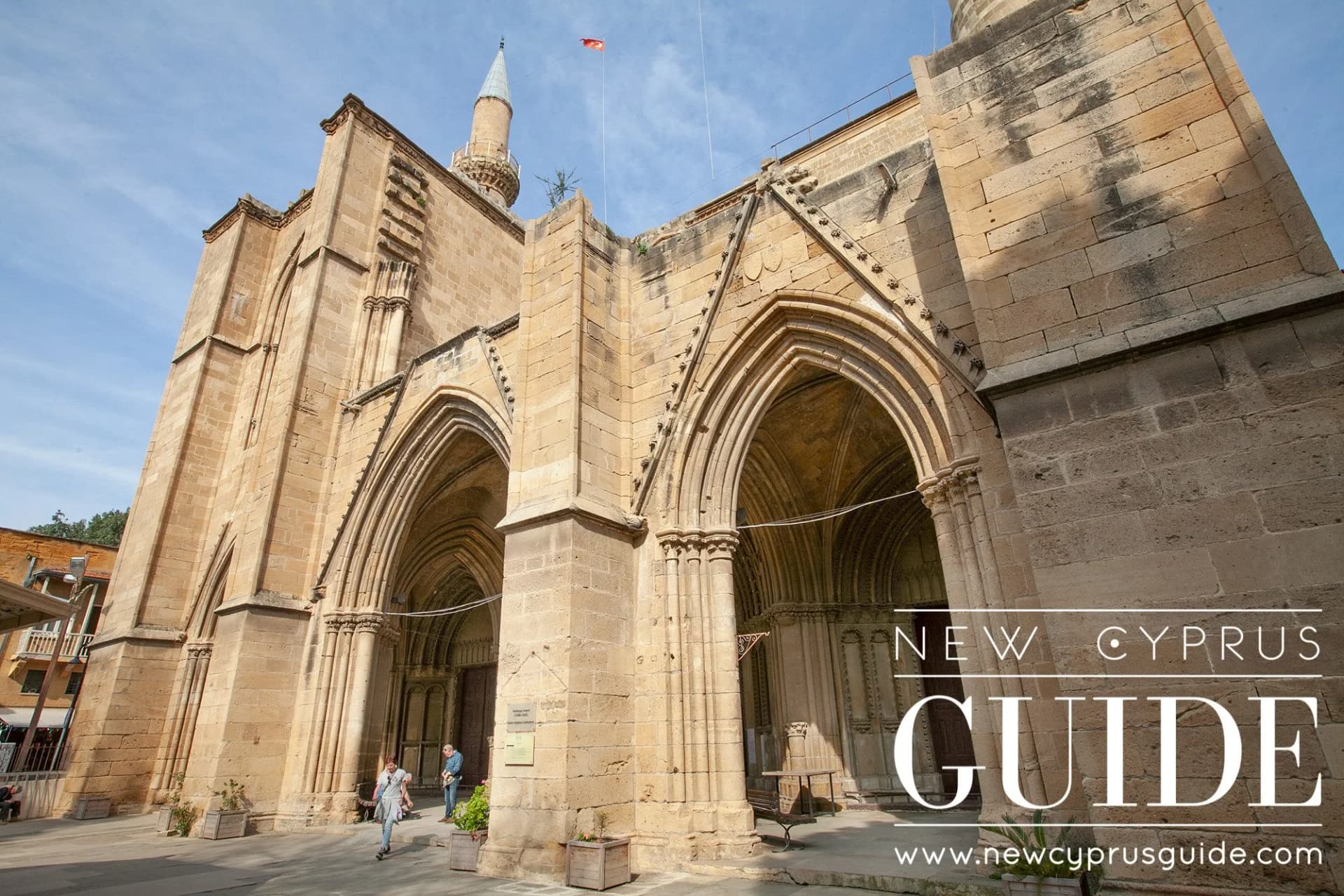
The north and south entrances had initially been in the fourth bay of the nave, although the Ottoman-built Aziziye Gate is at the eastern end of the cathedral. The initial arrangement is thought to have been modelled after Sens Cathedral.
Background
History
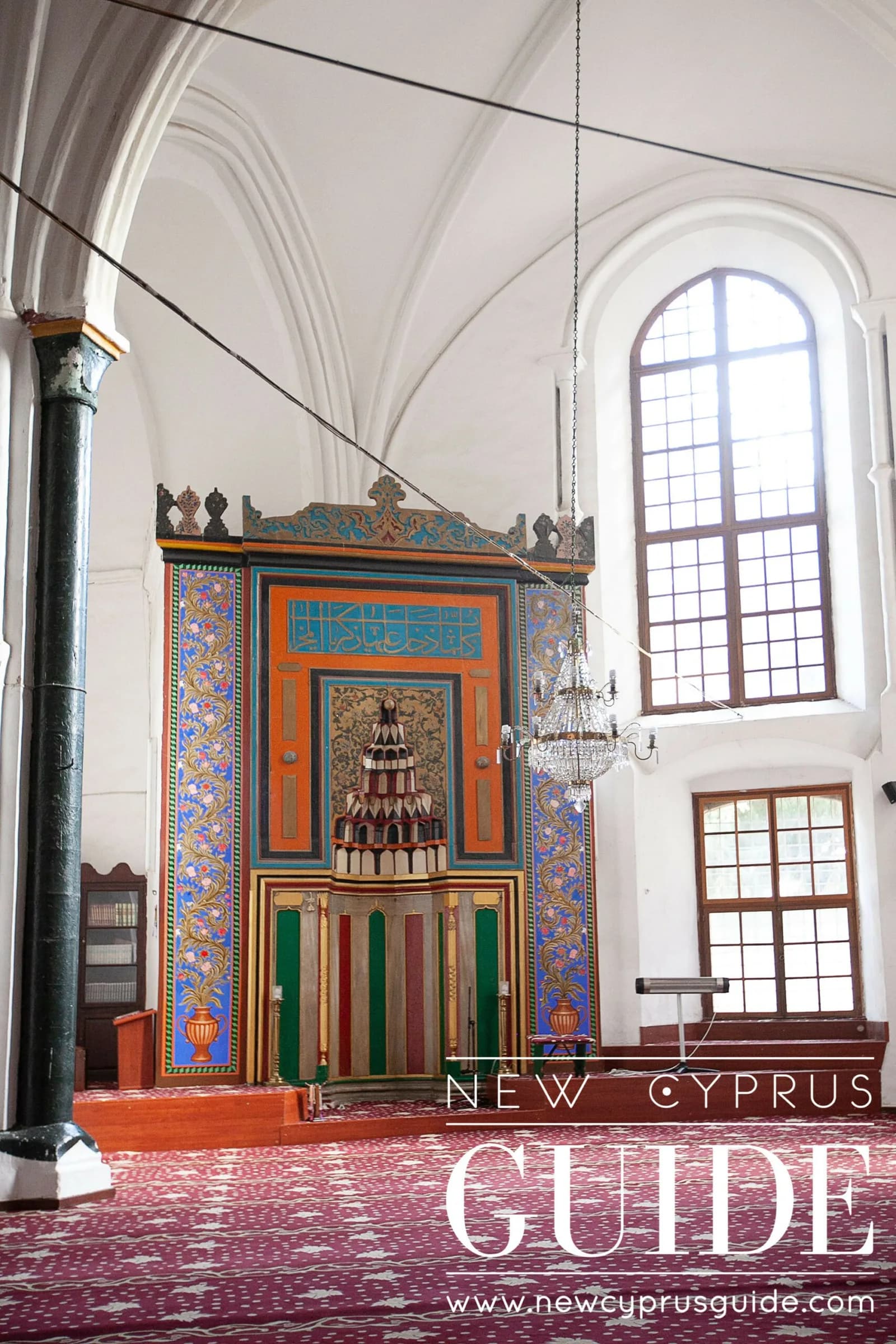
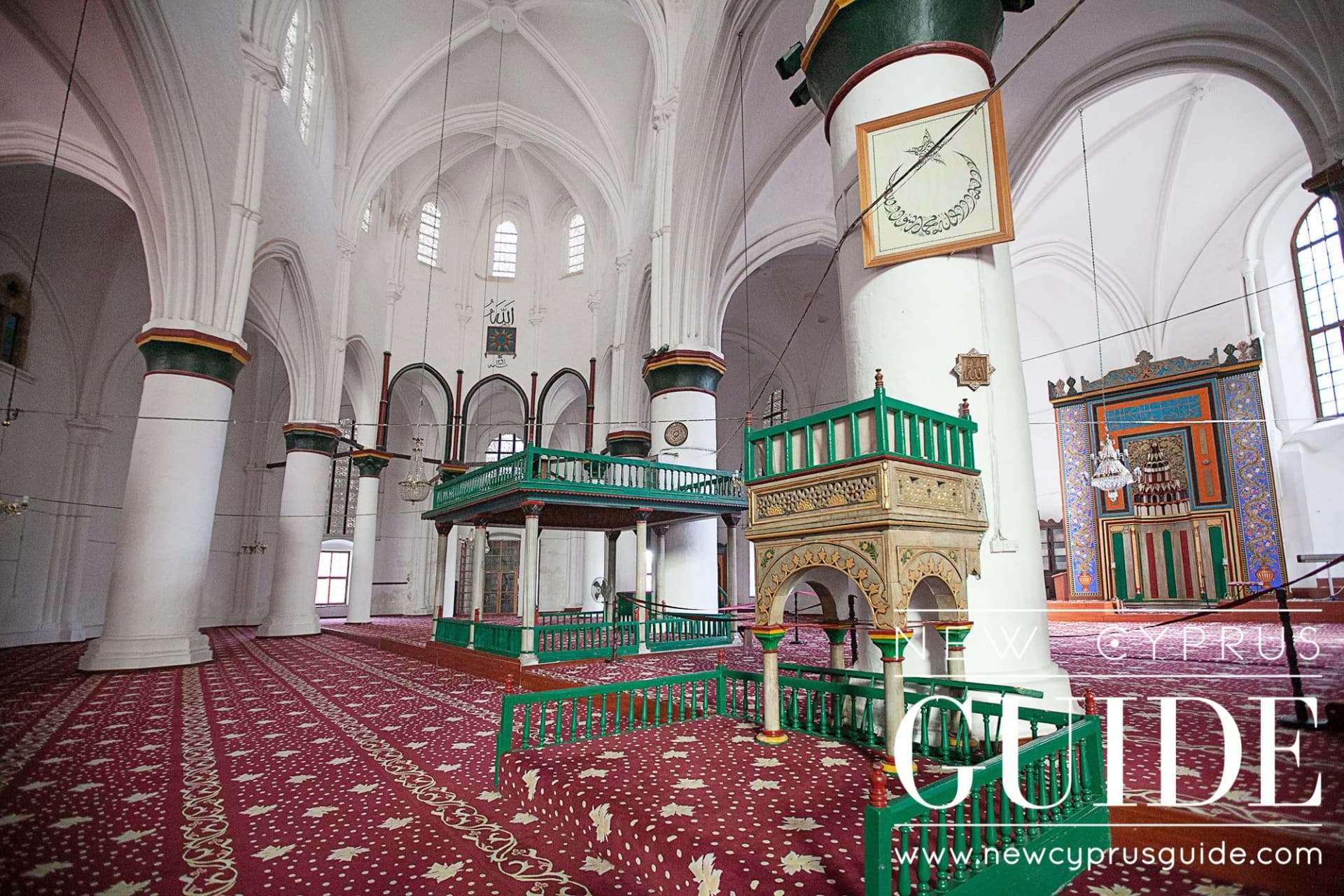
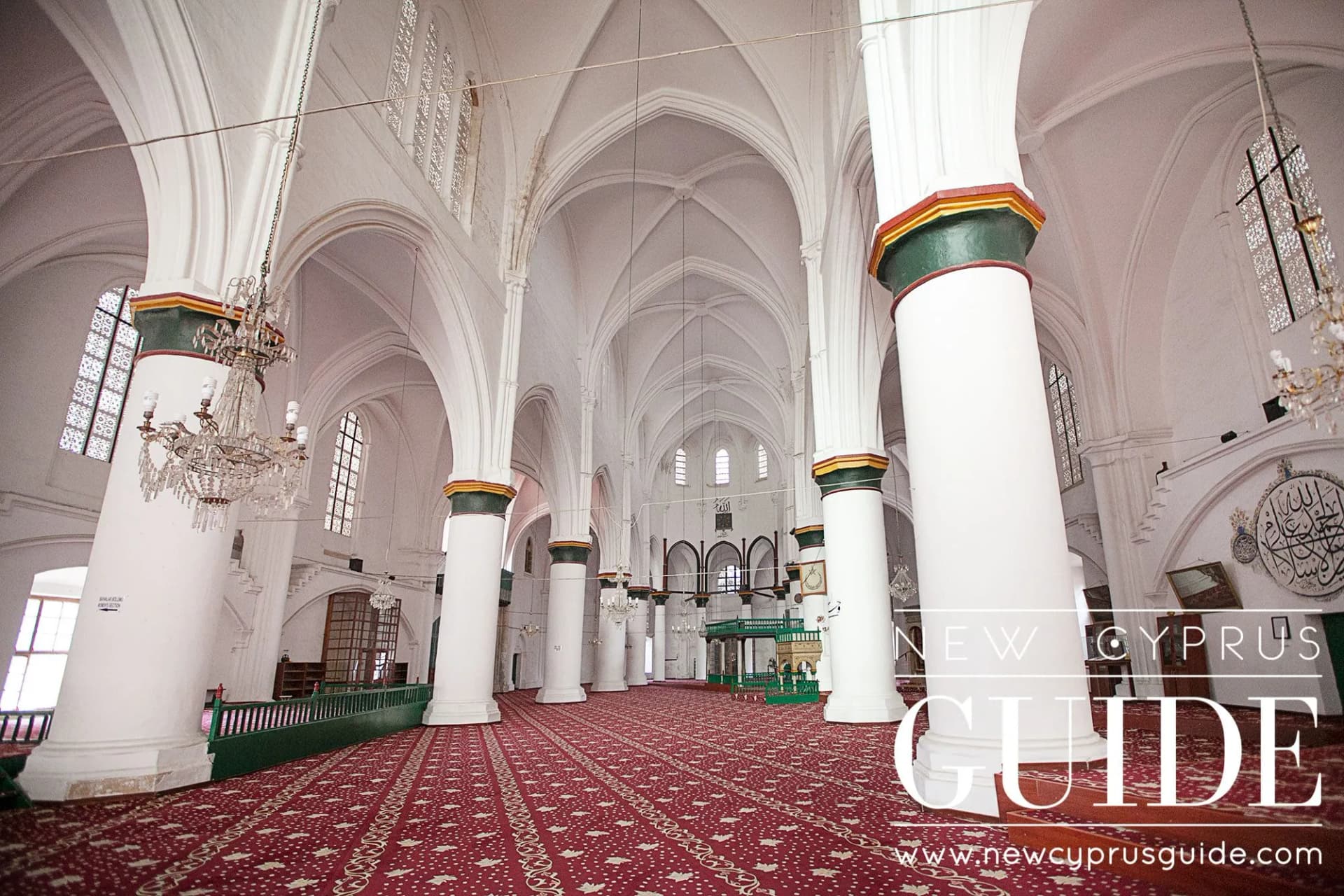
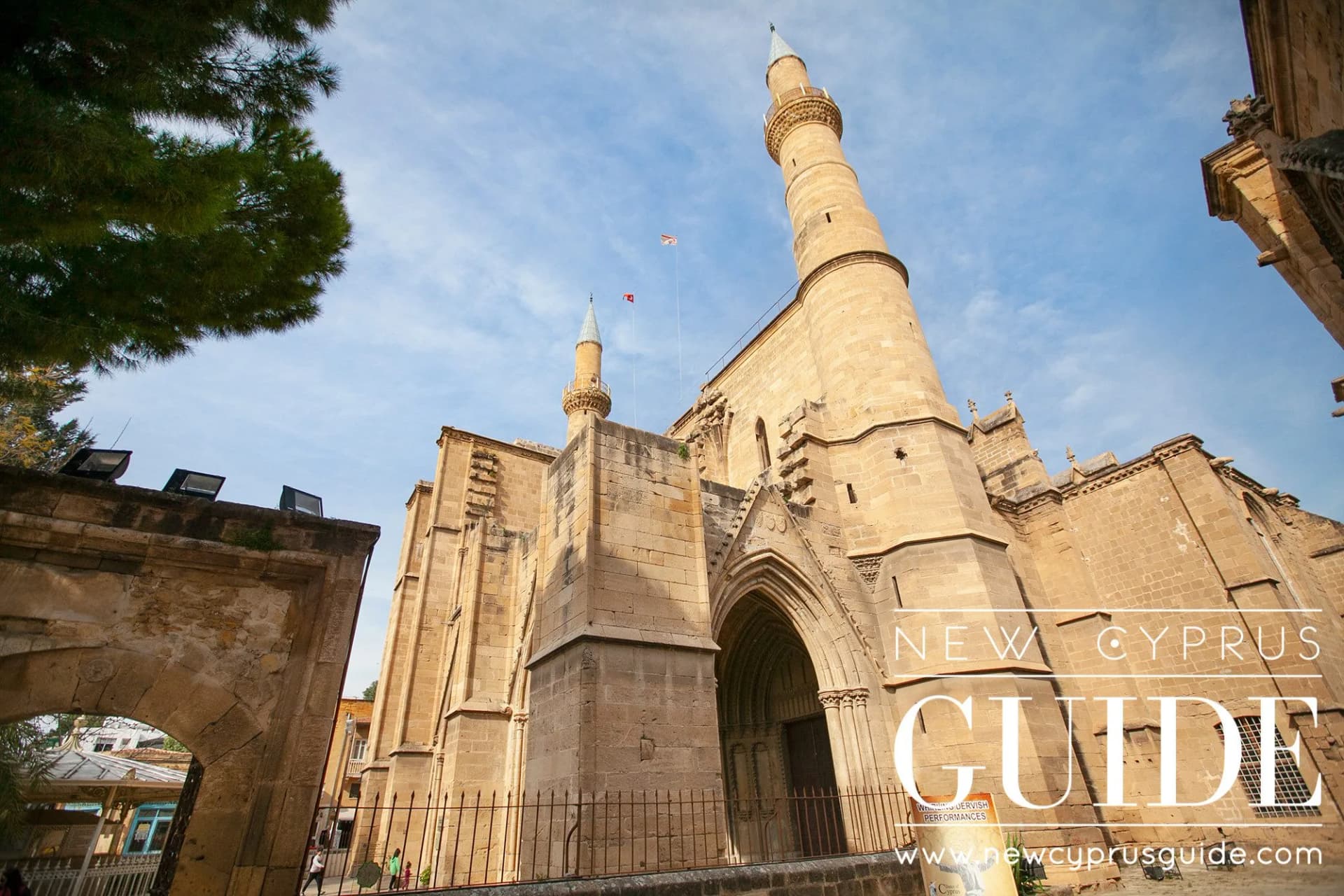
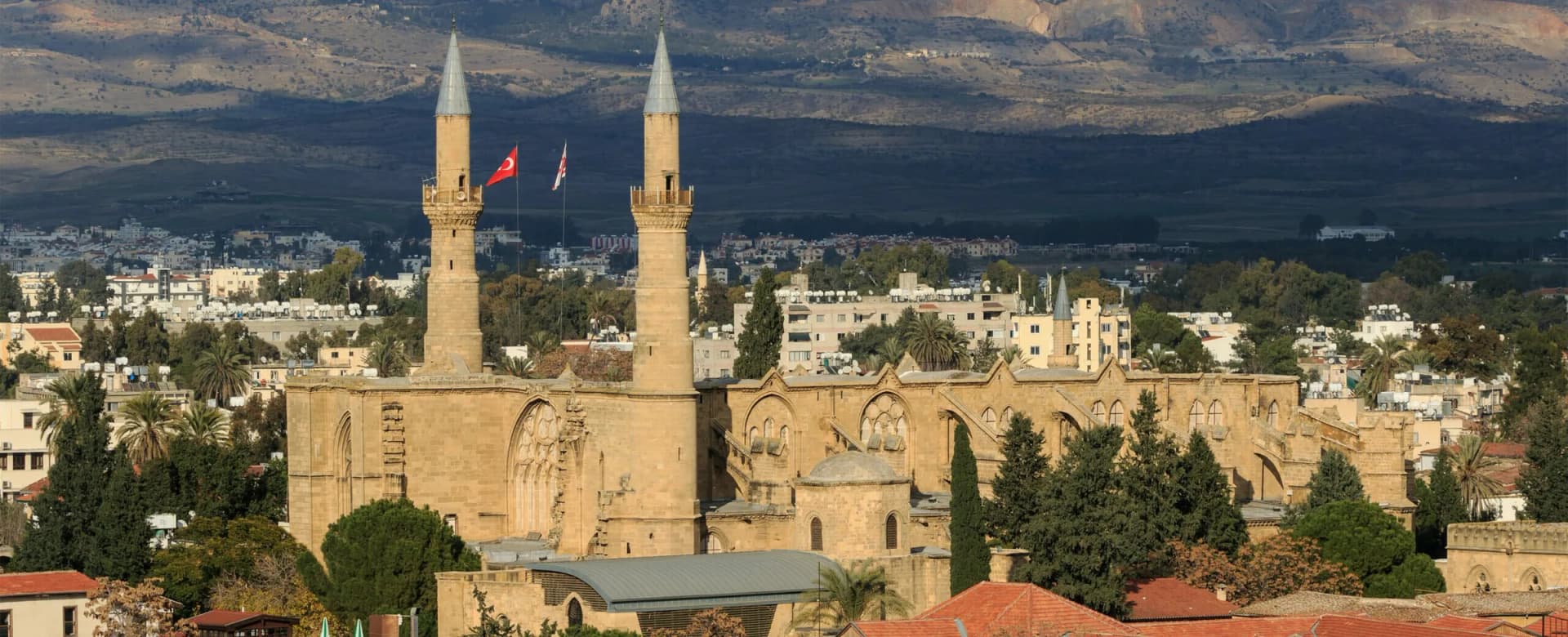
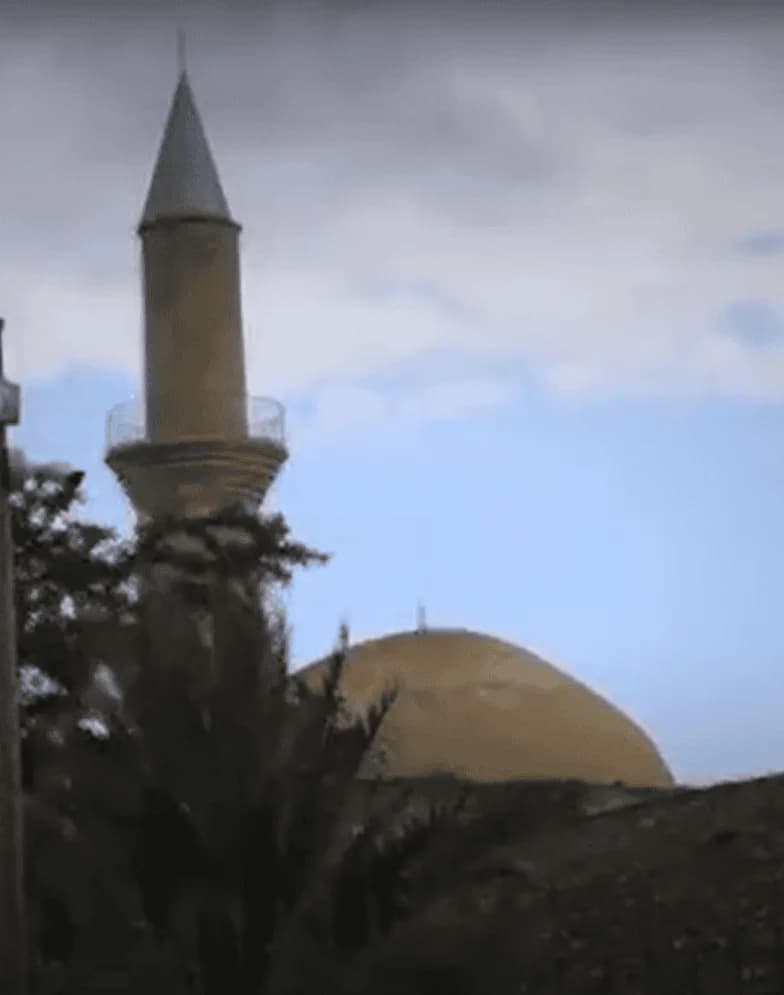
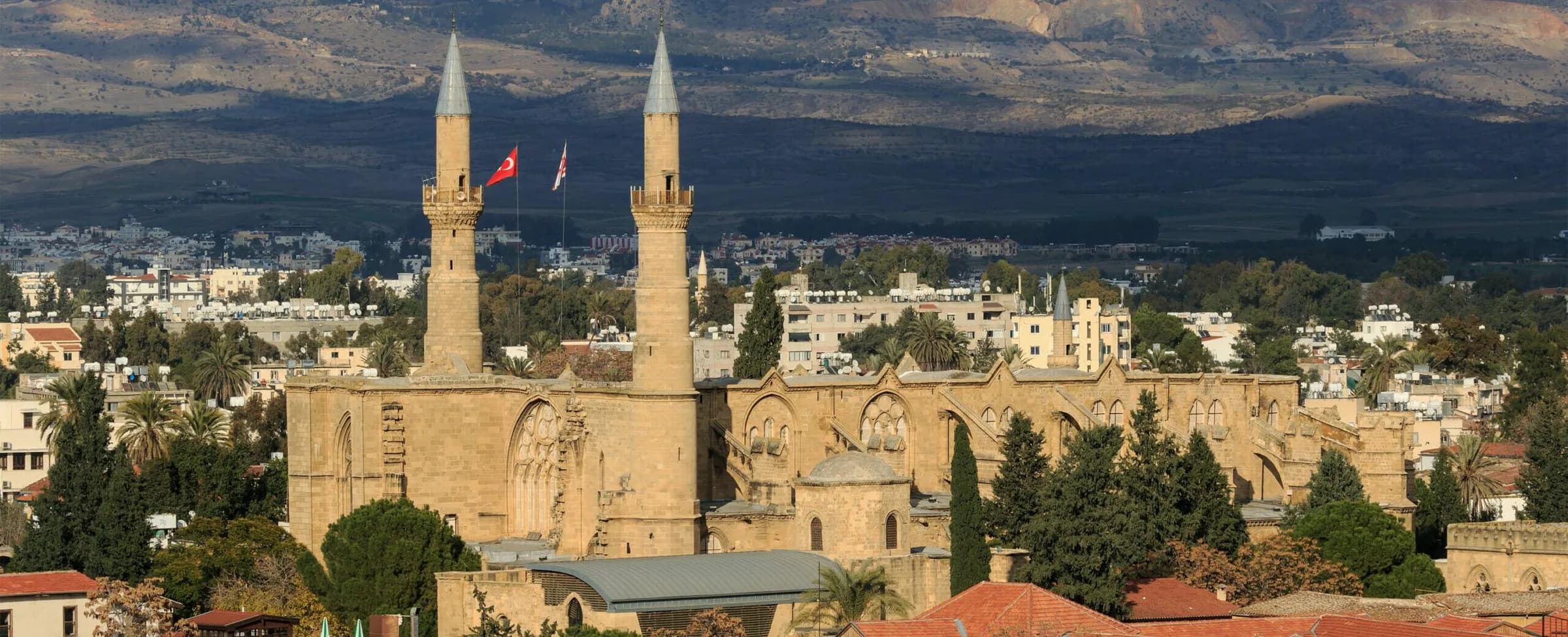
Selimiye Mosque historically known as Cathedral of Saint Sophia or Ayasofya Mosque, is a former Roman Catholic cathedral converted into a mosque, located in North Nicosia. It has historically been the main mosque of the city. The Selimiye Mosque is housed in the largest and oldest surviving Gothic church in Cyprus (interior dimensions: 66 X 21 m) possibly constructed on the site of an earlier Byzantine church.
In total, the mosque has a capacity to hold 2500 worshipers with 1750 m2 available for worship.
It is the largest surviving historical building in Nicosia, and according to sources, it "may have been the largest church built in the Eastern Mediterranean in the millennium between the rise of Islam and the late Ottoman period".
It was the coronation church for the Lusignan kings of Cyprus.
Earlier Byzantine church
The name of the cathedral derives from Hagia Sophia, meaning "Holy Wisdom" in Greek. According to Kevork K. Keshishian, the dedication of the cathedral to the Holy Wisdom is a remnant from the Byzantine cathedral, which occupied the same place.
However, such a cathedral is absent from Byzantine sources and is not associated with any excavated ruins.
In spite of this, there is evidence of the existence of such a cathedral; an 11th-century manuscript mentions the existence of an episcopal church dedicated to Holy Wisdom in the city.
Construction and Frankish period
It is not certain when the construction of the cathedral began, it may have gradually replaced its Greek predecessor or may have been built alongside it.The date cited for the laying of the foundation stone is 1209, and the Latin archbishop of Nicosia responsible for this is named in various sources as Thierry or Albert. There are claims of evidence indicating an earlier beginning date,and even the Knights Templar may have made some effort for the construction of a new cathedral during their rule in 1191-92. Under the early years of the reign of Archbishop Eustorge de Montaigu (reigned between 1217 and 1250), the construction is thought to have accelerated.
By 1228, the church was "largely completed" under Eustorge.
Although it is held in some sources that the arrival of Louis IX of France in Cyprus in 1248 for the Seventh Crusade gave a boost to the construction,there is no evidence to support this claim.By the end of the 13th century the side aisles and a large part of the middle aisle were completed.During the 13th and 14th centuries, the cathedral was damaged twice by earthquakes, in 1267 and 1303. The 1267 earthquake caused significant delay in the construction of the nave.Archbishop Giovanni del Conte, oversaw the completion of the nave and the narthex until 1319 and that of the middle aisle, the buttresses of the chevet, the façade and a chapel/baptistery from 1319 to 1326. He also initiated the adornment of the cathedral with frescoes, sculptures,marble screens and wall paintings. In 1326, the cathedral was finally consecrated and officially inaugurated with a great celebration.
During the Lusignan rule, the cathedral served as the coronation church of the Kings of Cyprus. After the Genoese conquest of Famagusta, it also became the coronation church of the Lusignan Kings of Jerusalem, and finally, the Lusignan Kings of Armenia.It also housed the Trials of the Knights Templar in 1310. Even though the cathedral was inaugurated, the building was still incomplete and in 1347 Pope Clement IV issued a papal bull for the cathedral to be completed and renovated since it had been affected by an earthquake. The bull gave a 100-day period of indulgence for those who participated in the completion of the cathedral, however, this effort did not achieve its aim.
The portico and the northwest tower were constructed at this time and the three gates of the western wall were embellished with structures. Kings, prophets, apostles and bishops were depicted at the reliefs in three arches.
In 1359, the Papal legate in Cyprus, Peter Thomas, assembled all Greek Orthodox bishops of Cyprus in the cathedral, locked them in and began preaching in order to convert them. The sound of shouting coming from the cathedral gathered a large crowd outside the cathedral, which soon began a riot to free the priests and burned the doors of the cathedral. The king ordered the rescue of the preacher, who would later be reprimanded, from the mob, and the freeing of the bishops.
In 1373, the cathedral suffered damage during the Genoese raids on Cyprus.
Where
Location
Kütüphane Sk 8, Lefkoşa 99010Open in Google Maps
Gallery