Abstract
About this journal article
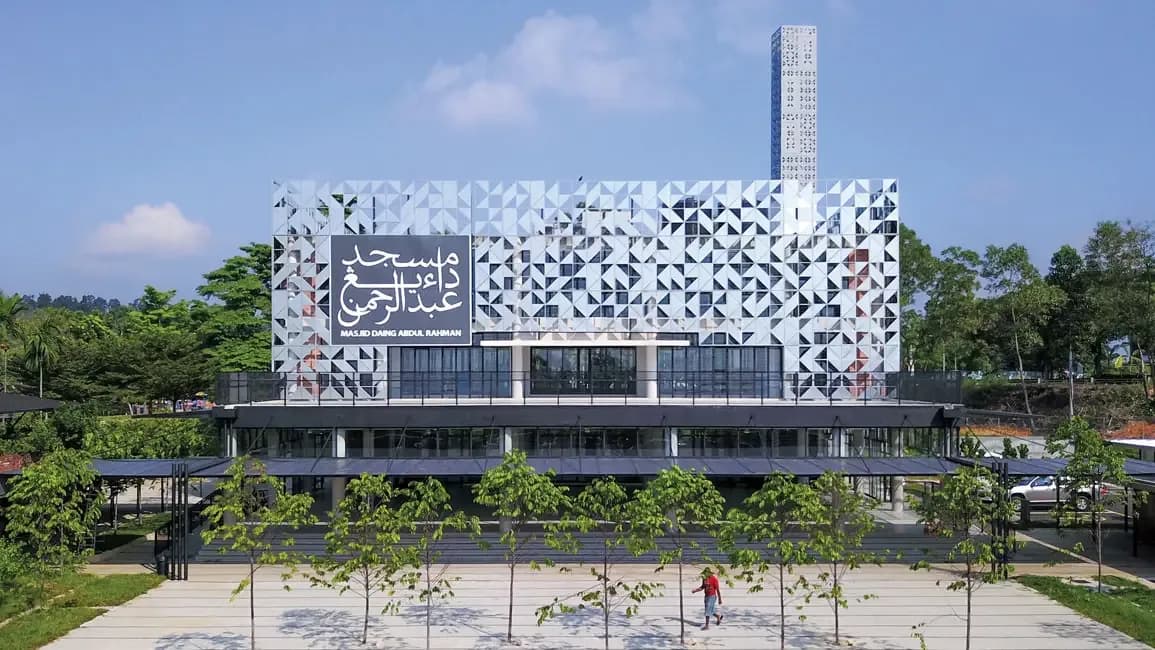
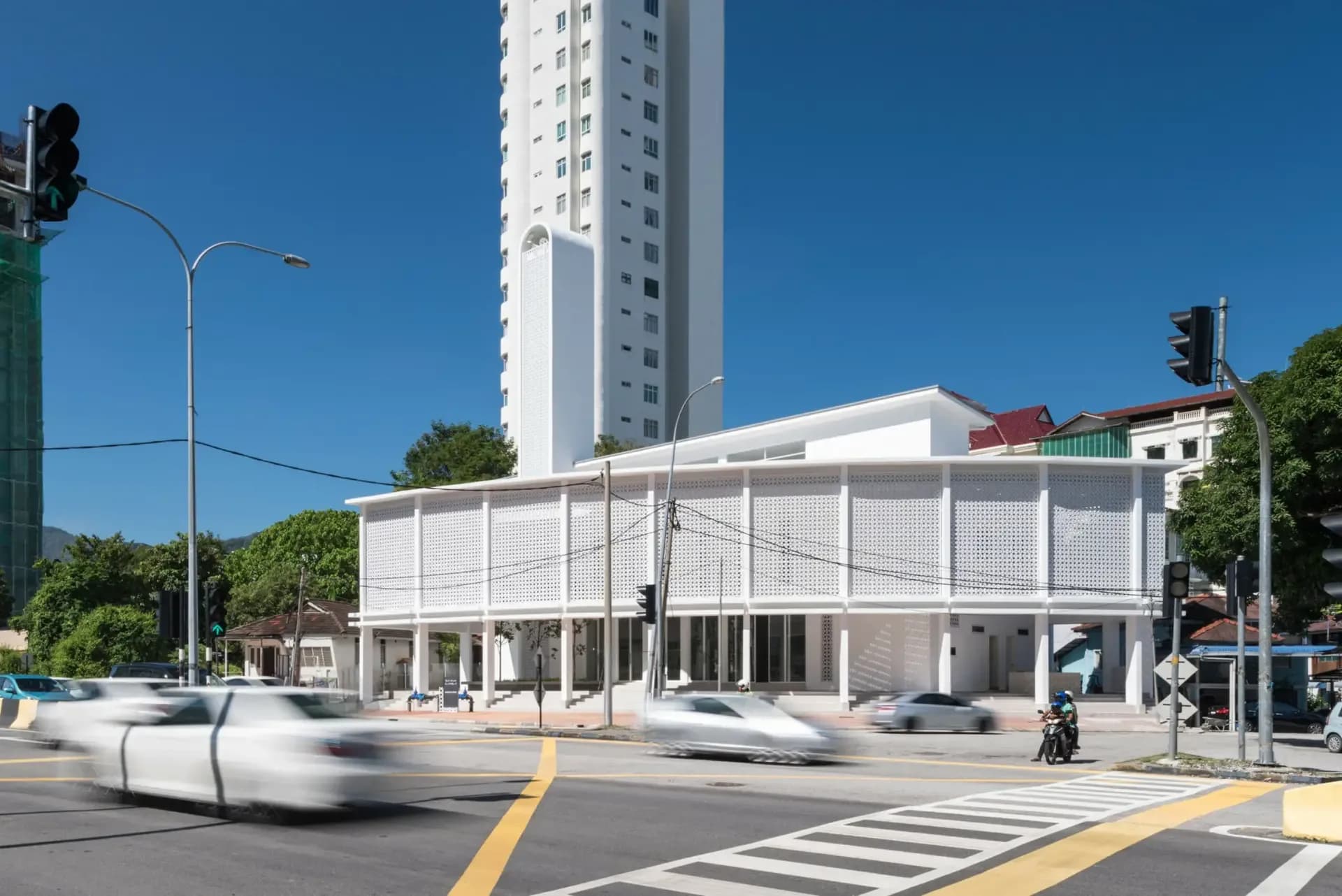
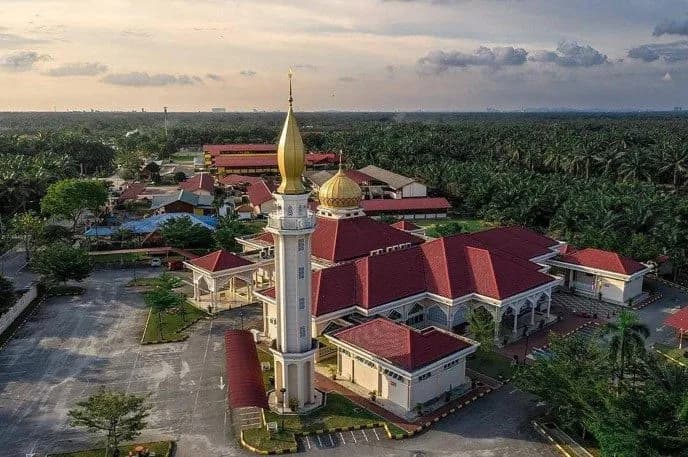
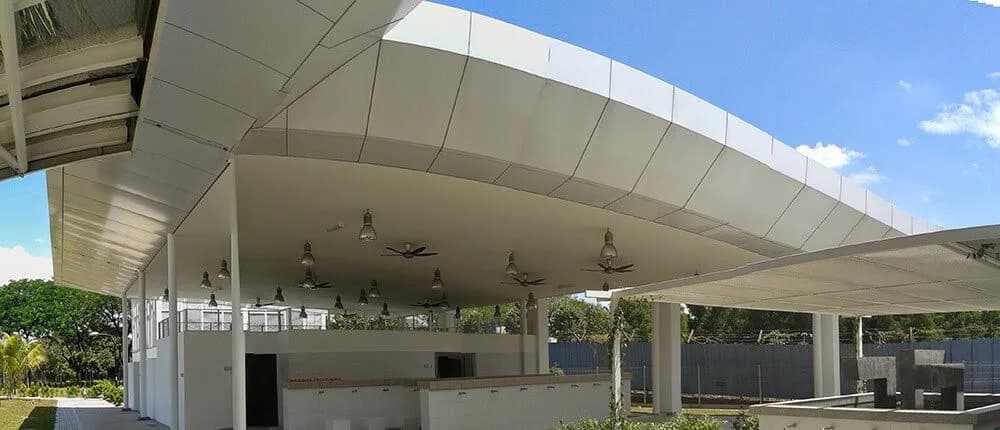
Mosque is a significant building typology for Muslims. Careful consideration on location and capacity should be practiced to increasing accessibility and promote comfort to worshippers. Due to high-density residential development, location of the nearest mosque and sense of unity among Muslims in the area, a local community was proposing a new mosque in Bandar Bertam Jaya, Penang to Majlis Agama Islam Negeri Pulau Pinang. A self-sustained mosque with phased development was proposed by Arkitek ICB Sdn. Bhd. With VELUX Daylighting Simulation and basic ventilation principle, the aim of the research is to study the sustainability of the design comprising daylighting and ventilation aspects respectively and how the proposal can give an impact to energy and resource management. The findings including Average Daylight Factor (ADF), opening sizes, wind speed and direction will also be reflected to Malaysian Standard MS 1525 and MS 2680 to value the sustainability aspect performed by the mosque. The findings of the research can be a reference to the architecture firm and the local community on the performance and sustainability of the proposal.
Chicago style
Cite this
Rodzi, Khairul Asyraf Mohd, Mohamad Zelman Mohamoud, and Nur Amalina Hanapi. "Sustainability Assessment of Mosque: A Case Study of Design Proposal in Bandar Bertam Jaya, Penang." In IOP Conference Series: Earth and Environmental Science, vol. 1022, no. 1, p. 012004. IOP Publishing, 2022.
Topics
Subjects & tags
Files