Abstract
About this journal article
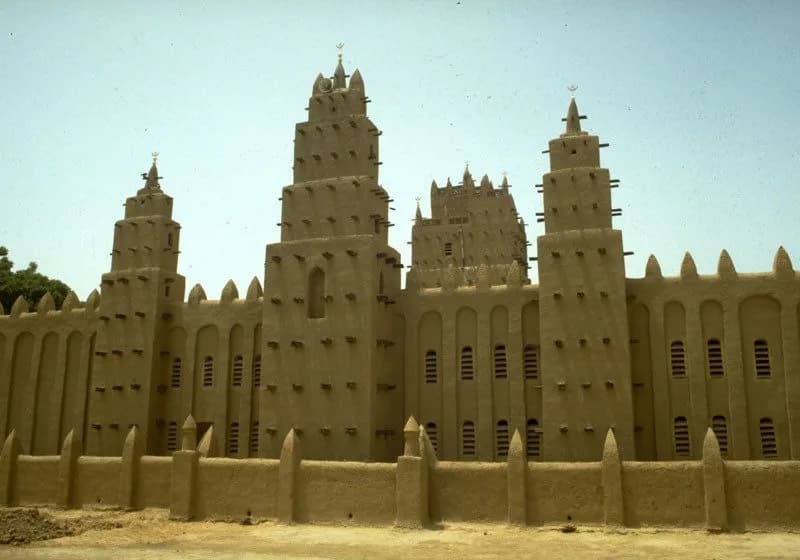
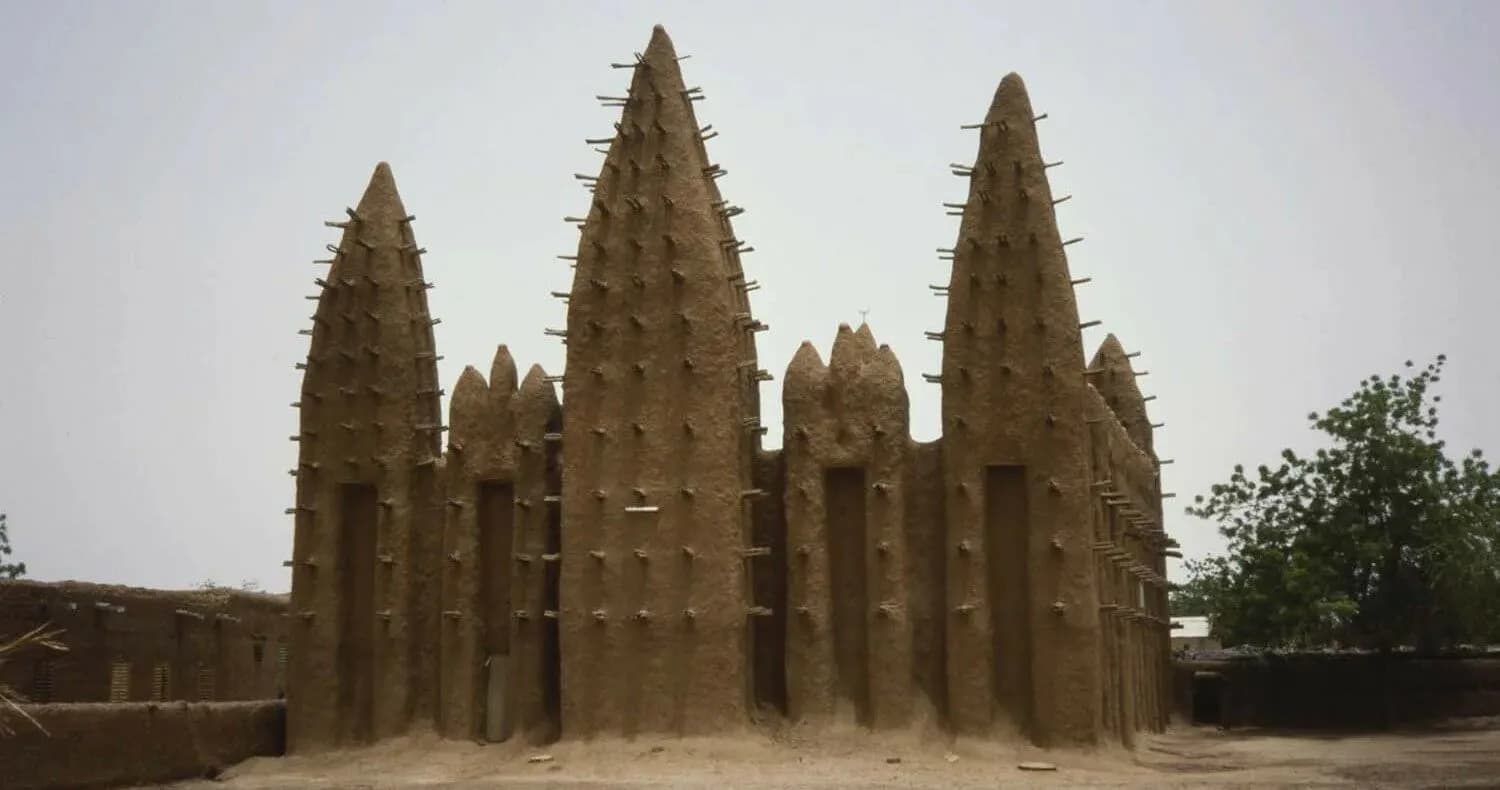
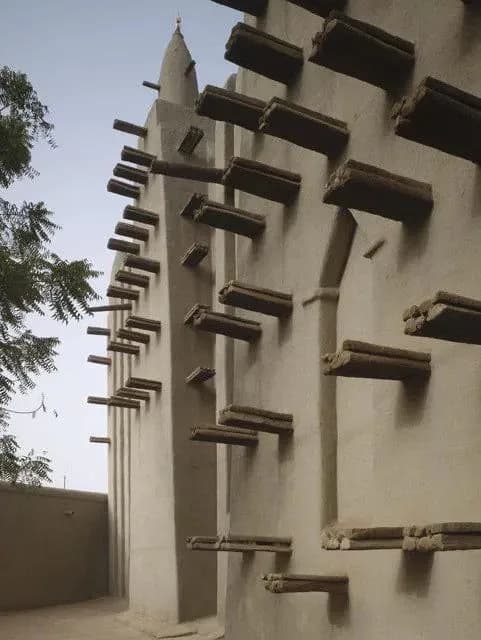
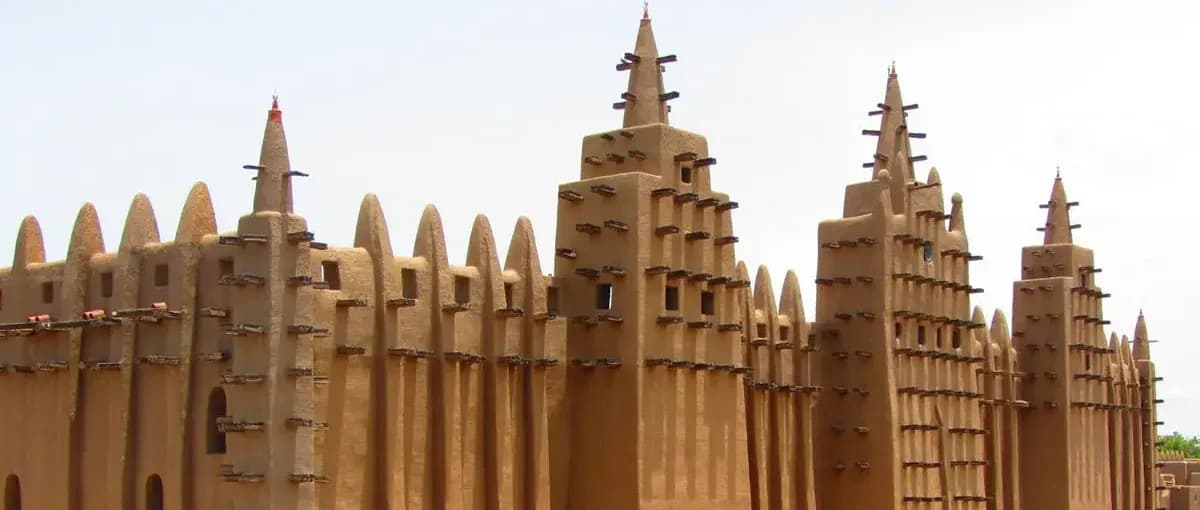
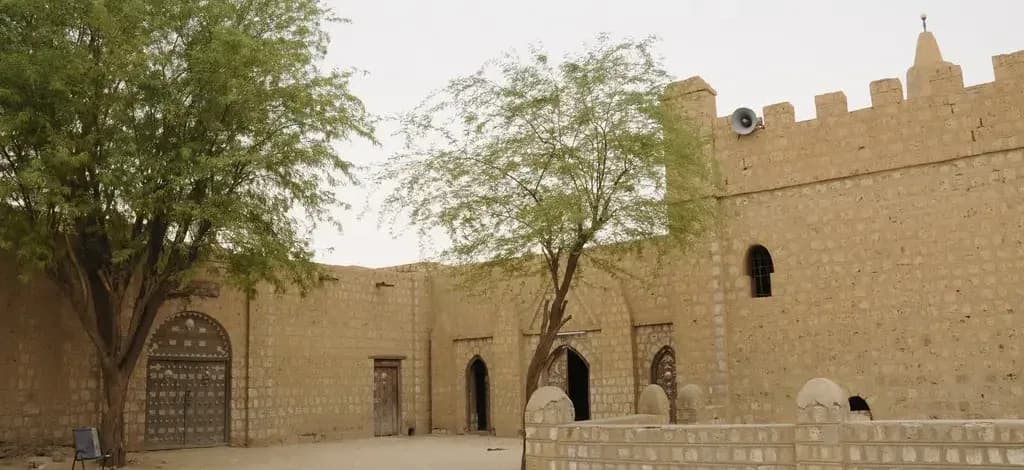
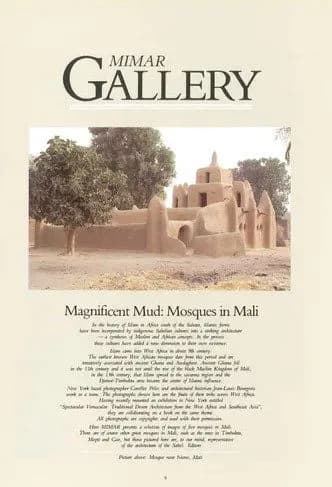
The Magnificent Mud: Mosques in Mali In the history of Islam in Africa south of the Sahara, Islamic forms have been incorporated by indigenous Sahelian cultures into a striking architecture - a syntheses of Muslim· and African concepts. In the process these cultures have added a new dimension to their own existence. Islam came into West Africa in about 9th century.
The earliest known West African mosques date from this period and are tentatively associated with ancient Ghana and Awdaghost. Ancient Ghana fell in the 11th century and it was not until the rise of the black Muslim Kingdom of Mali, in the 13th century, that Islam spread to the savanna region and the Djenne-Timbuktu area became the centre of Islamic influence. New York based photographer Carollee Pelos and architectural historian Jean-Louis Bourgeois work as a team. The photographs shown here are the fruits of their treks across West Africa. Having recently mounted an exhibition in New York entitled "Spectacular Vernacular: Traditional Desert Architecture from the West Africa and Southeast Asia", they are collaborating on a book on the same theme. All photographs are copyrights and used with their permission. Here MIMAR presents a selection of images of five mosques in Mali. There are of course other great mosques in Mali, such as the ones in Timbuktu, Mopti and Gao, but those pictured here are, to our mind, representative of the architecture of the Sahel.
Chicago style
Cite this
Bourgeois, Jean Louis, and Carollee Pelos. Magnificent Mud: Mosques in Mali. In Mimar 3: Architecture in Development, edited by Hasan-Uddin Khan. Singapore: Concept Media Ltd., 1982.
Topics
Subjects & tags
Files