Abstract
About this thesis
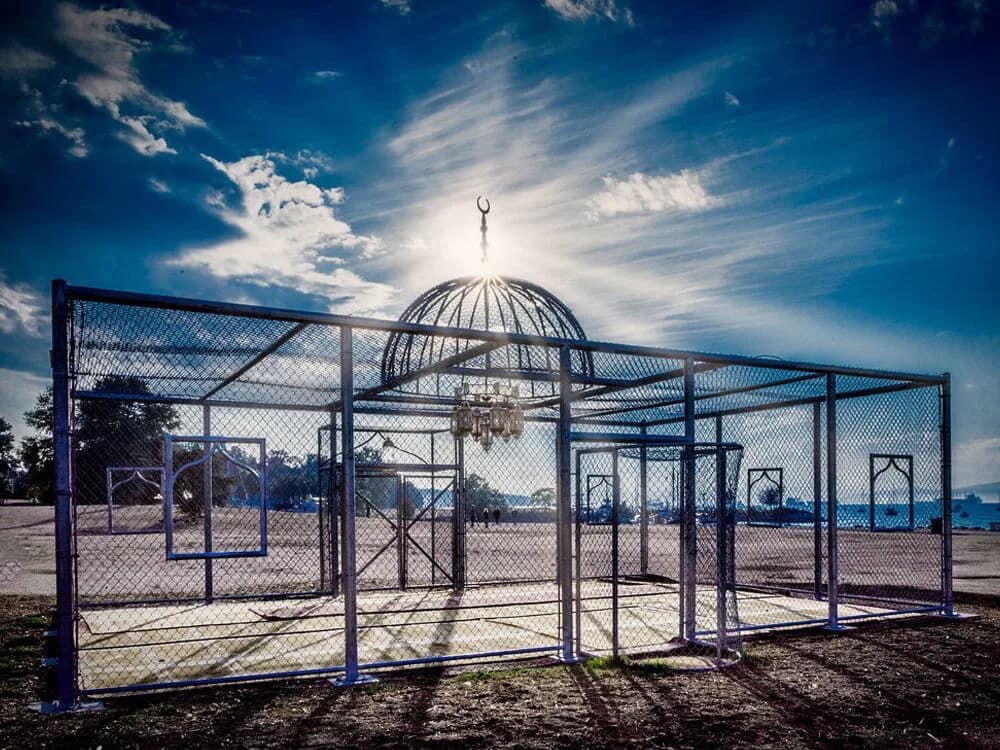
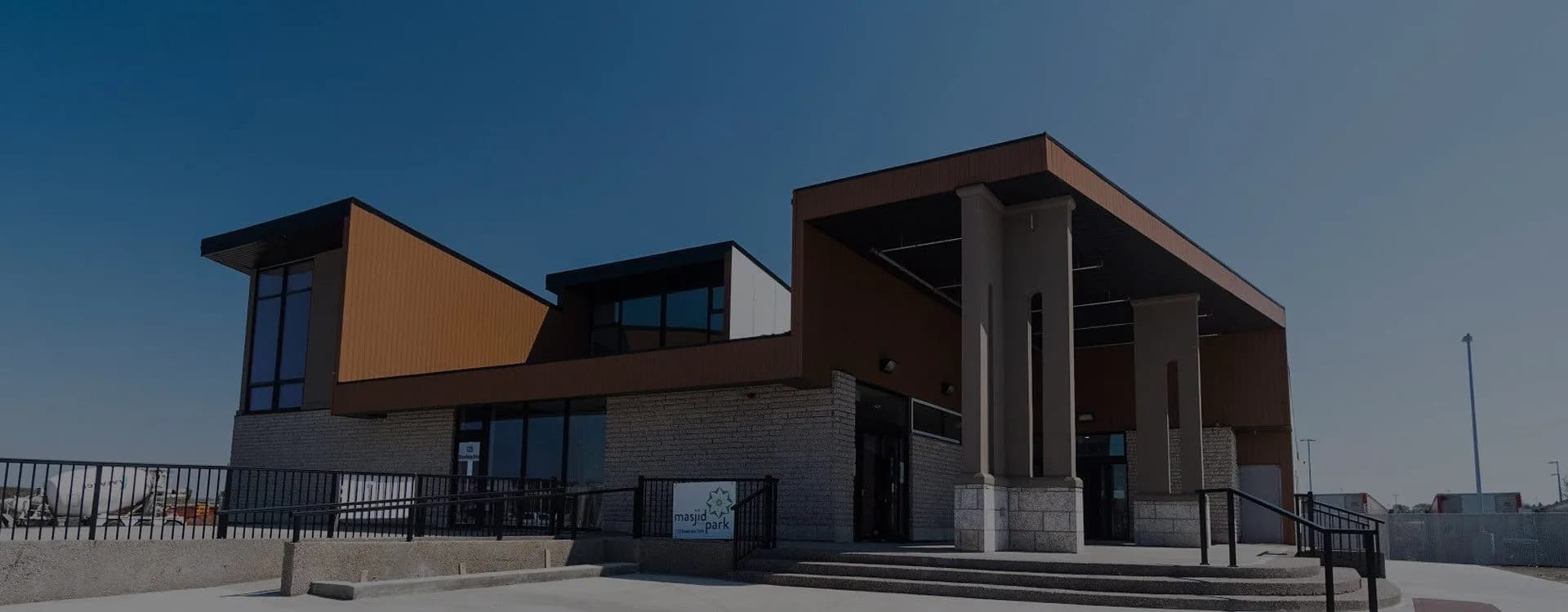
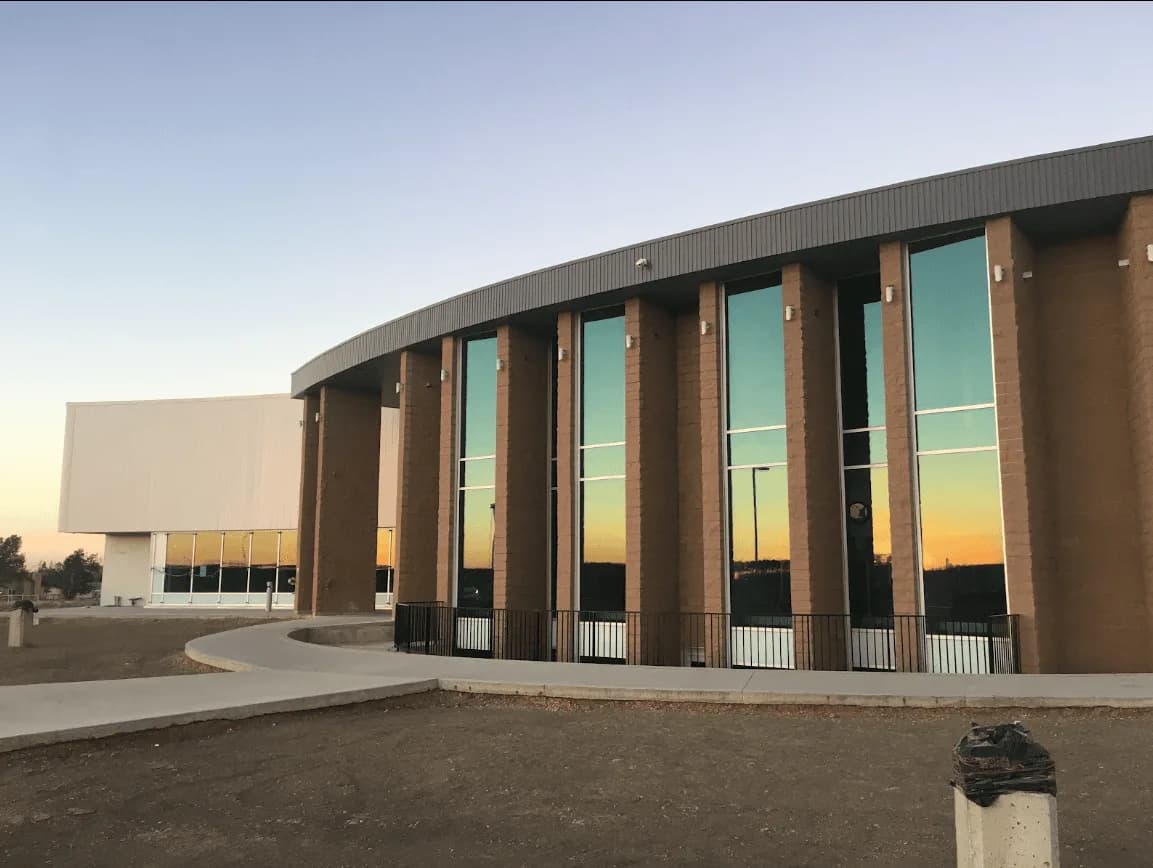
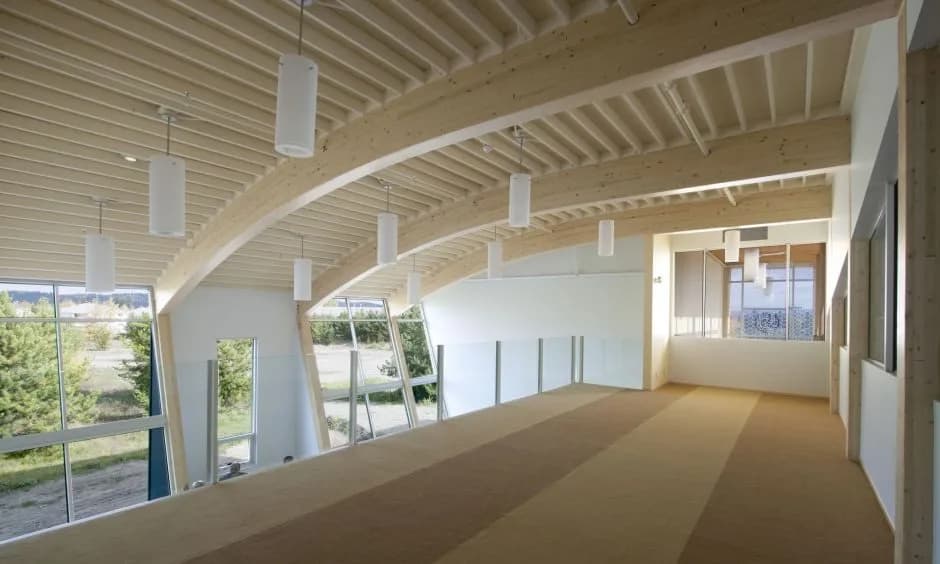
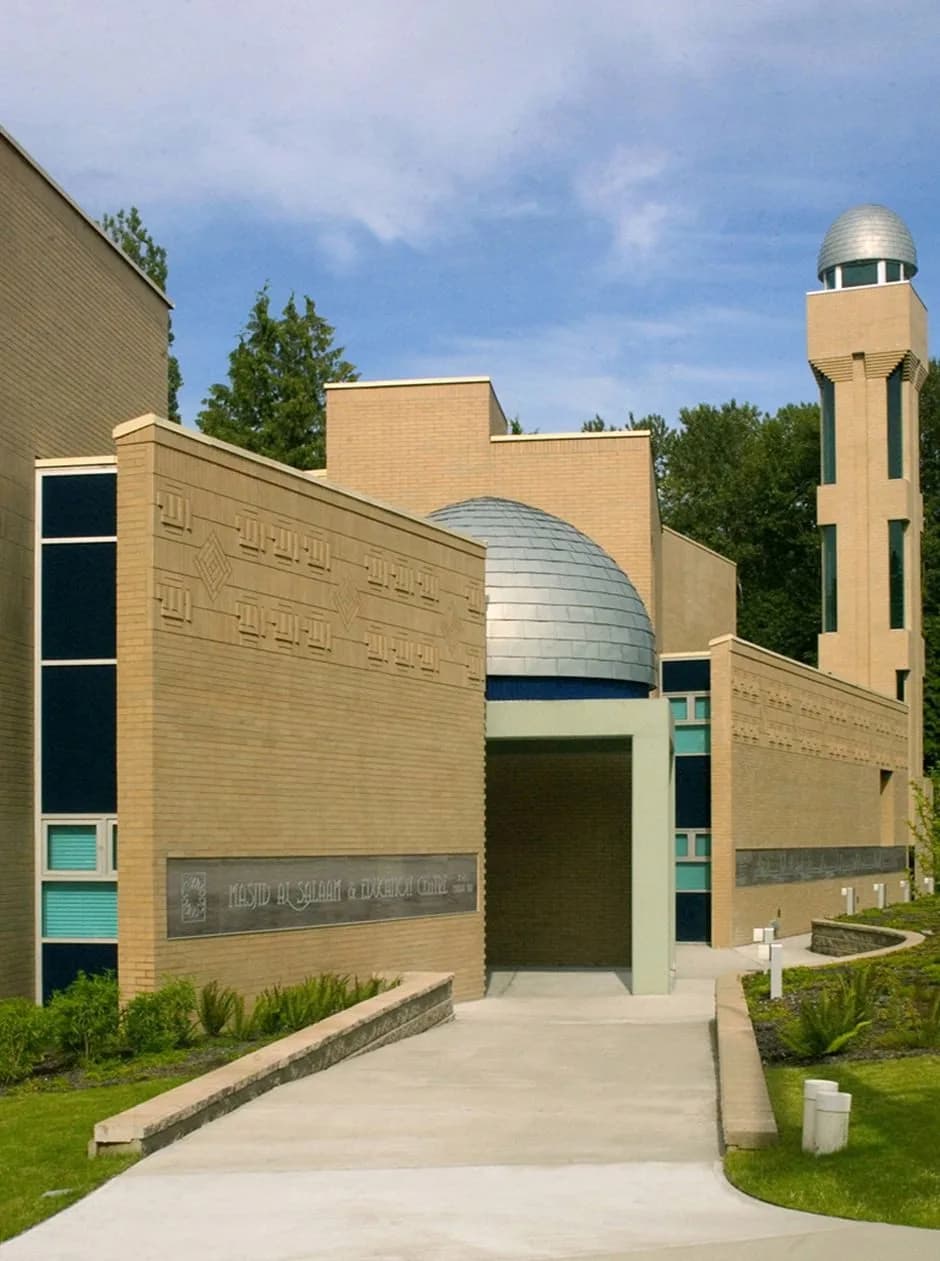
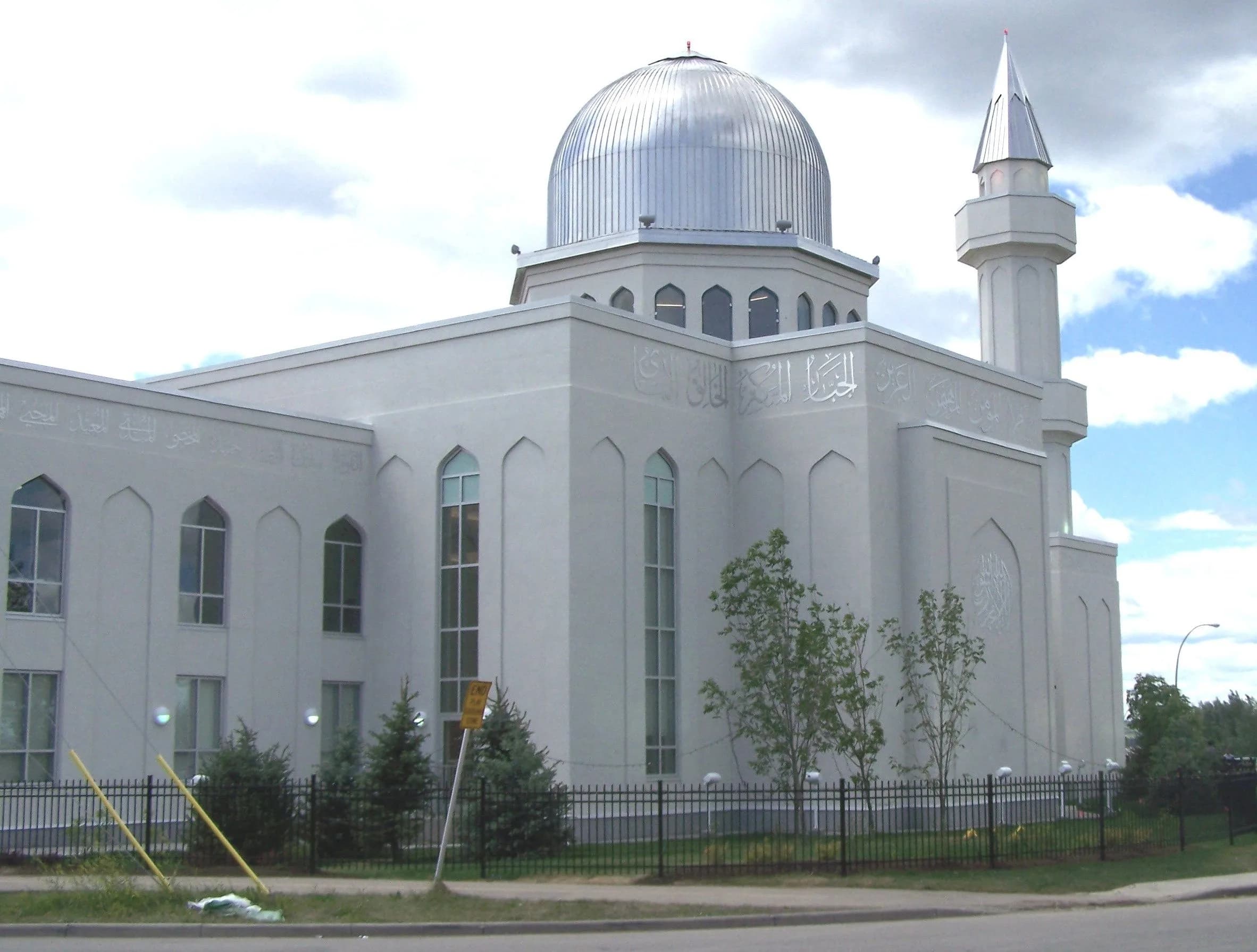
In Canada, the construction of Islamic mosques has been influenced by various cultural biases, historical interpretations, and a multitude of subtle contradictions which shape the identities of the different generations of Muslims and their communities. Mosques in Canada also face various social and political challenges including discrimination and hostility towards traditional Islamic forms and the practice of gender segregation through spatial barriers. Although historically, Islamic architecture has played a significant role in impacting architectural practices and theories, and mosques have been symbolizing the diverse Muslim cultures across the world, such challenges are detrimental to the social and architectural identities of contemporary Muslims who already suffer from a controversial past in North America. The primary objective of this thesis is to document and investigate the use, interpretation, and changing nature of mosques in Canada by analyzing them in two main categories: purpose-built (traditional) and repurposed. I argue that the variability and polarizing nature of these two types of buildings show us that mosques and Muslims in Canada are in a state of an architectural identity crisis.
Chicago style
Cite this
Ahmed, Saadman, ‘Imitation vs. Adaptation in Canadian Mosques: The Conflicts and Challenges of Purpose-Built and Repurposed Architecture’ (Unpublished Master Thesis: University of Waterloo, 2020).
Topics
Subjects & tags
Files